
Brazil campaign puts Korean names behind familiar cultural terms
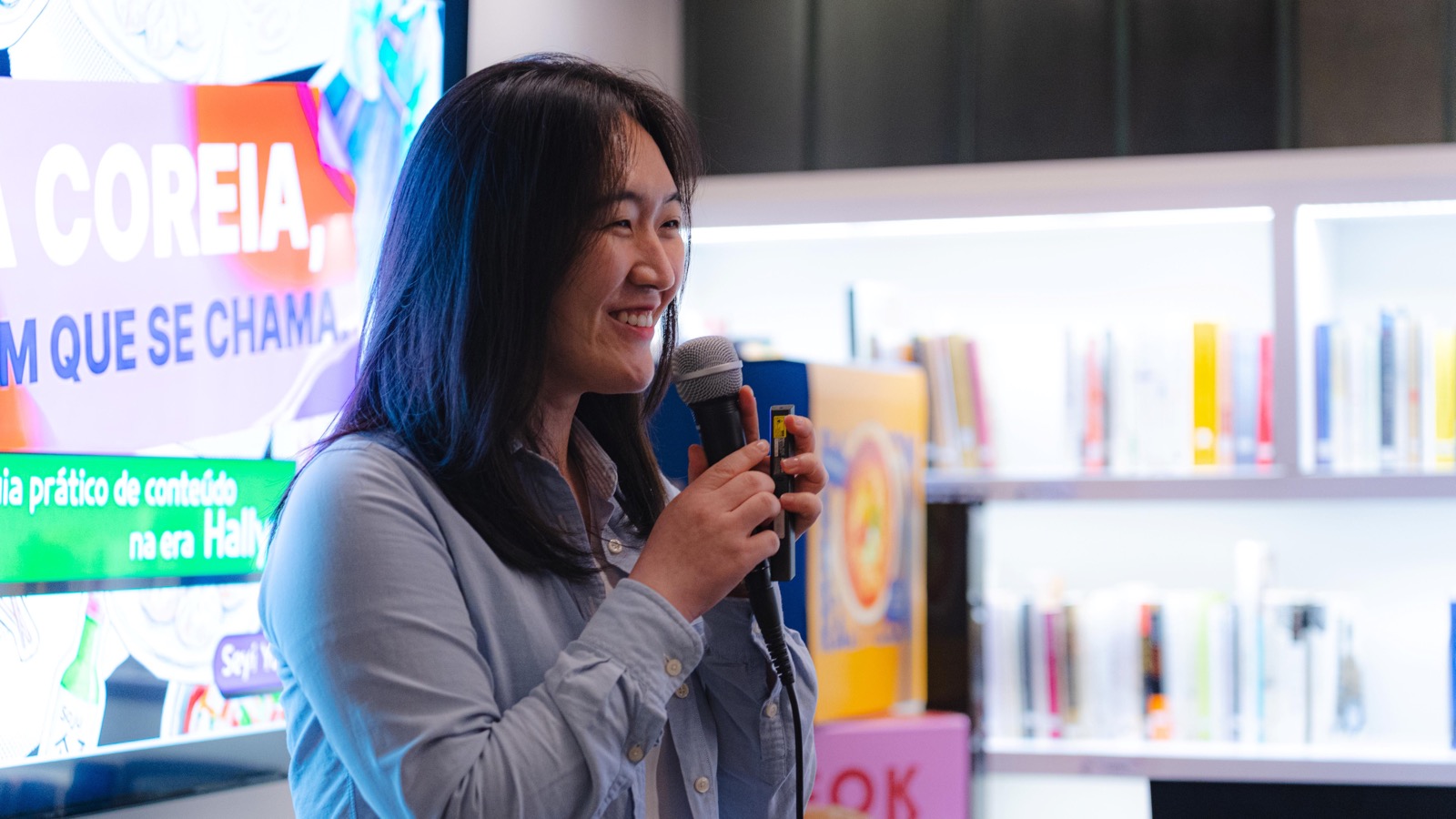
An October campaign in São Paulo introduced Korean names for 12 cultural terms. Organizers reported about 10,000 on-site survey responses, with noraebang and jeotgarak among the least familiar names.
What was the Korean terminology campaign about?
A Korean cultural terminology campaign in São Paulo drew about 10,000 responses to an on-site survey, according to a November 13, 2026 release from the Korean Cultural Center in Brazil. The center and the Korean Education Center in São Paulo jointly ran the campaign throughout October, ending on October 31.
Which Korean words stood out?
The campaign focused on Korean cultural terms that organizers said were often mixed with words from other languages in Brazil. Among the 12 terms presented to visitors, 노래방 (noraebang, a Korean singing room) and 젓가락 (jeotgarak, chopsticks) received the most votes as unfamiliar names. The release did not provide a sampling method or a term-by-term tally, so the findings describe participating visitors rather than Brazilian audiences as a whole.
How did people take part?
The program opened on October 7 with a session for about 40 local content creators and cultural figures. It introduced names including K-drama, webtoon, 한복 (hanbok, traditional Korean clothing), 김밥 (gimbap, rice rolled in seaweed) and mandu. Attendees then shared their own posts and stories on social media, according to the center.
An Instagram contest called Meu Nome em Hangul, or My Name in Hangul, also ran until October 31. Participants submitted videos showing their names handwritten in the Korean alphabet. Organizers said 30 selected participants would receive BTS Korean-language learning materials and Korean products.
How does it fit into Korean-language learning in Brazil?
The two institutions began collaborating around Hangul Day after São Paulo state officially designated October 9 as a day recognizing the Korean alphabet in 2025, the release said. Local Korean community organizations helped publicize the 2026 campaign. The center also reported that Brazil’s Ministry of Education added Korean to its free MEC Idiomas language-learning platform in October.
FAQ
How many responses did the São Paulo campaign receive?
About 10,000 responses to an on-site survey, according to a November 13, 2026 release from the Korean Cultural Center in Brazil.
Which Korean terms were least familiar to participants?
Among the 12 terms presented, 노래방 (noraebang) and 젓가락 (jeotgarak) received the most votes as unfamiliar names.
Does the survey represent Brazilians as a whole?
No. The release did not provide a sampling method or a term-by-term tally, so the findings describe participating visitors only.
Sources we checked
Contact us · Write for us · Advertise
Related stories
Mapo’s free pop-up book exhibition: when to visit and what to reserve
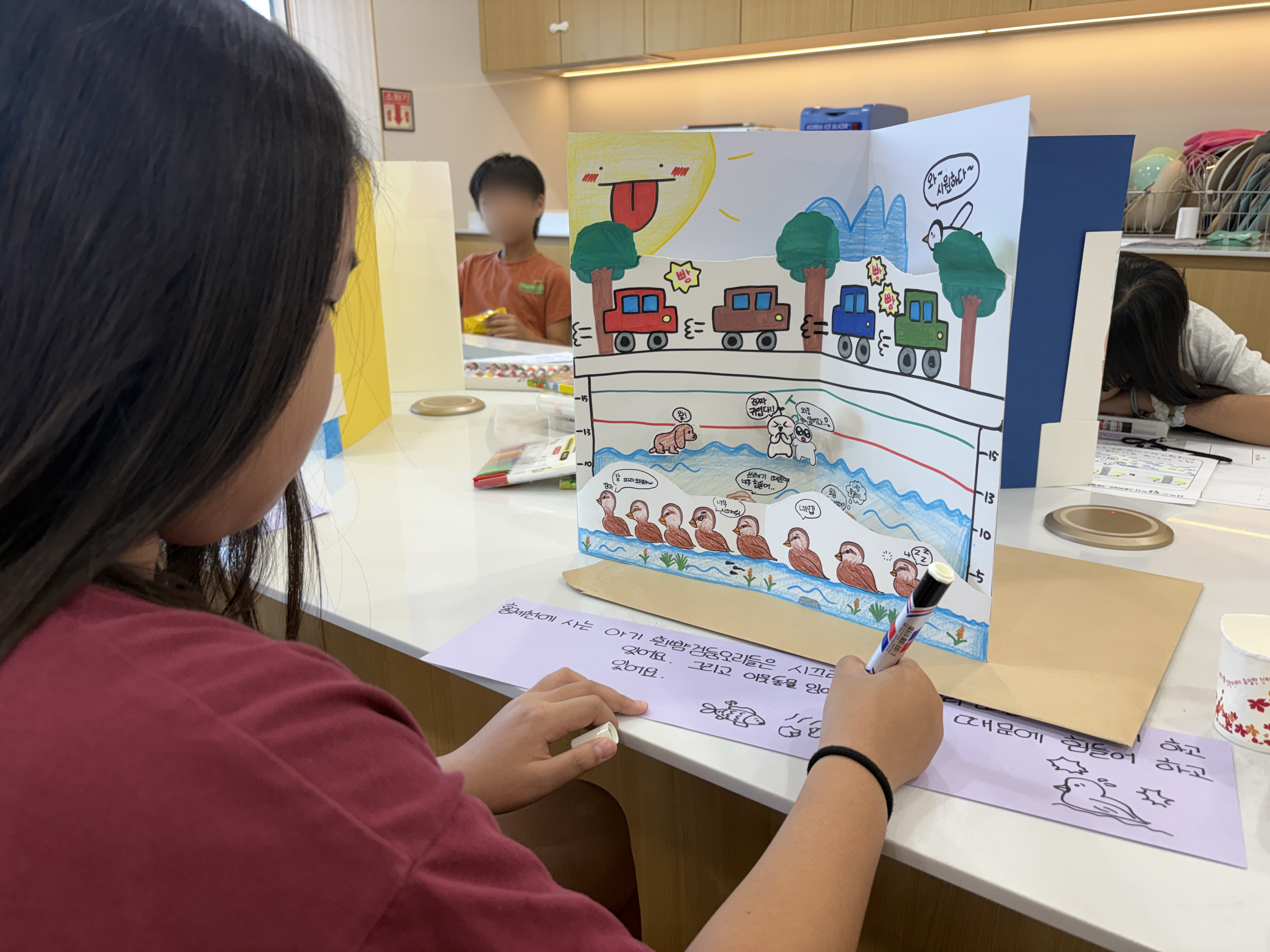
A road unfolds above a family of ducks in a pop-up book made by children who walked Seoul’s Hongjecheon stream. See their work in Mapo from November 29 to December 1. Admission is free; the opening and panel have a separate November 27 sign-up deadline.
Seoul’s Winter Concert pairs carols with Korean instruments: tickets from ₩30,000
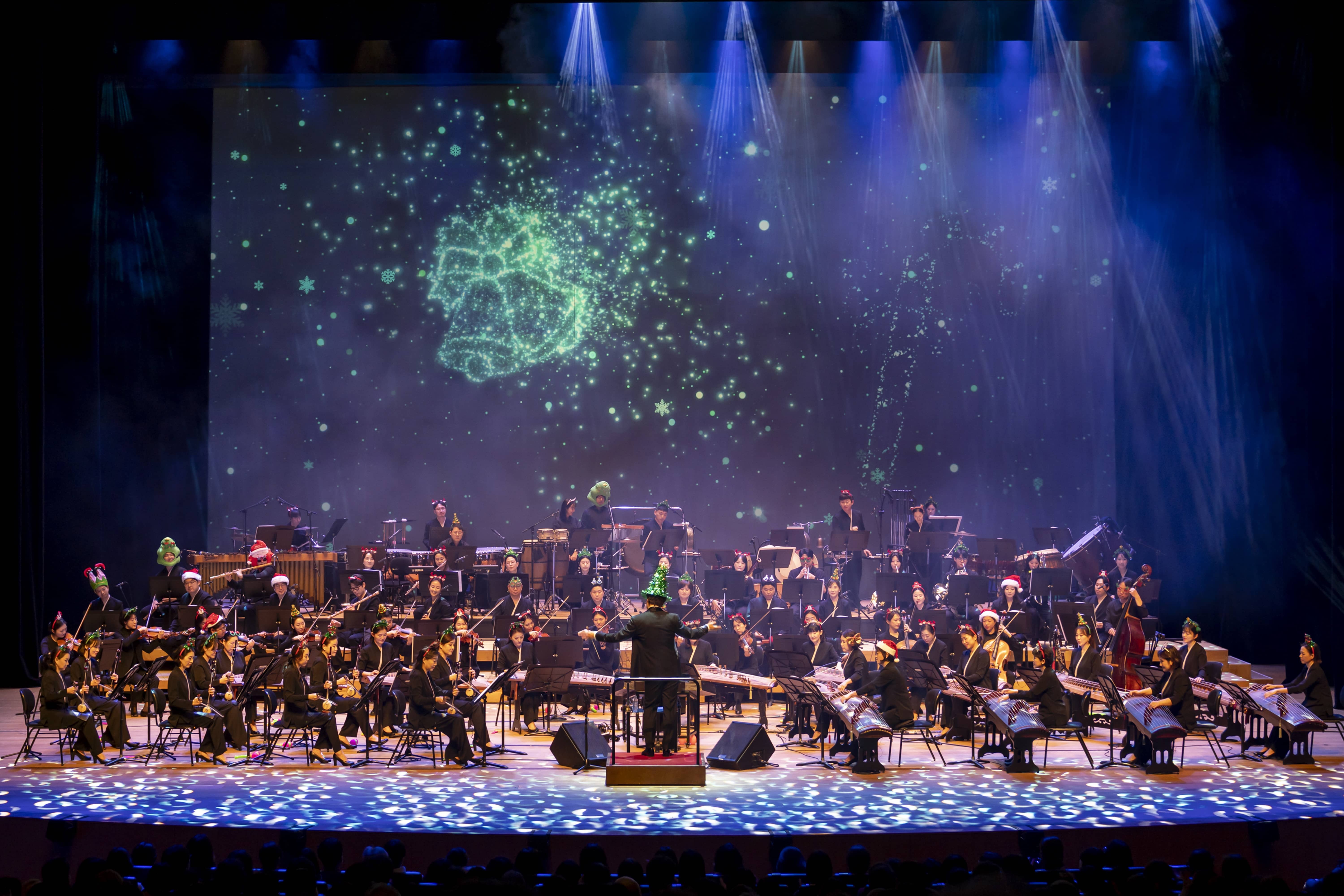
A Christmas carol medley for Korean mouth organ and hammered dulcimer is on the bill at Haeoreum Grand Theater on December 11. Seats cost ₩30,000 to ₩70,000, and the house admits children from elementary school age.
Korean hanji papermaking is recommended for UNESCO heritage list
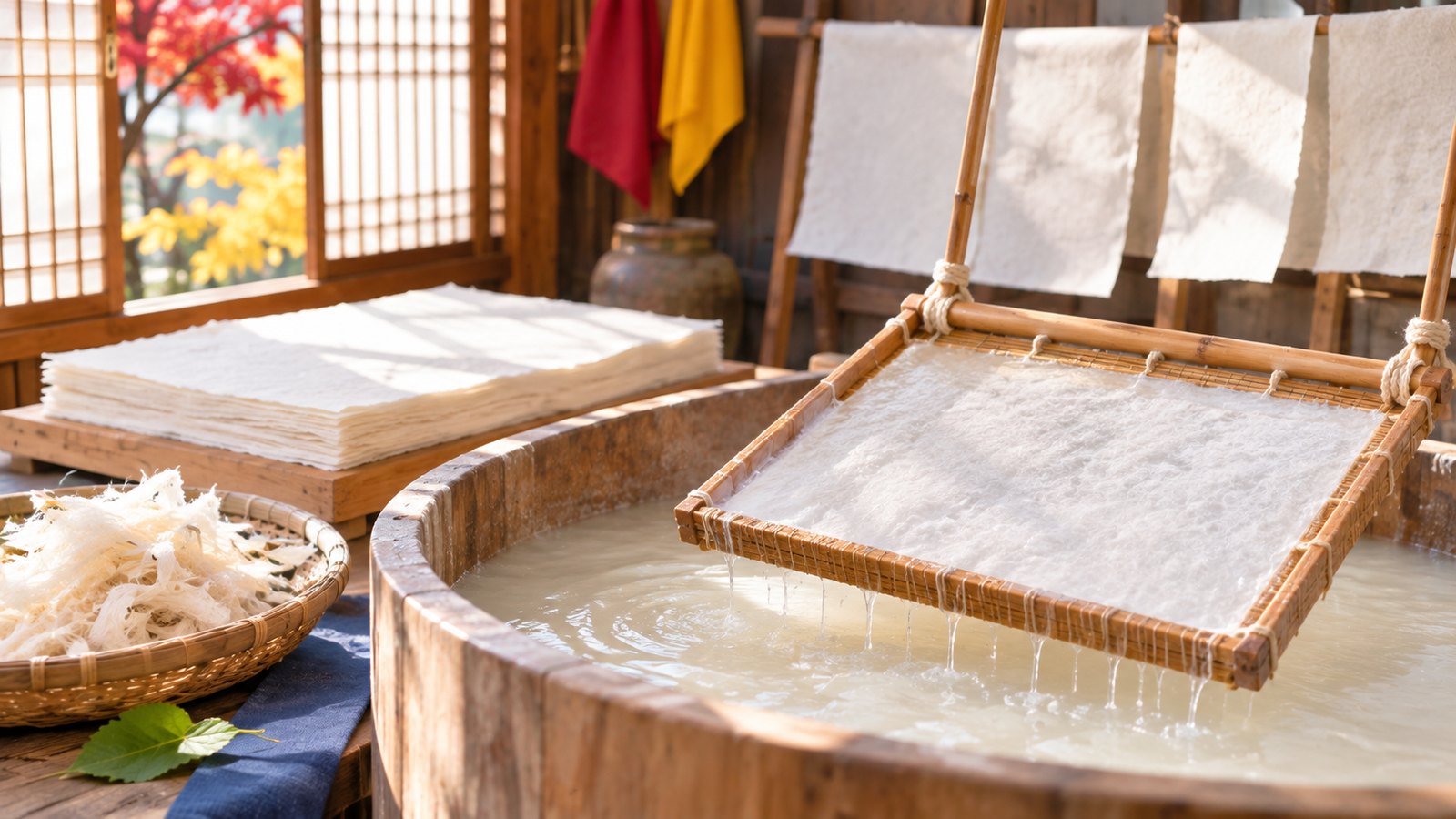
The Korea Heritage Service says UNESCO’s Evaluation Body has recommended Korea’s hanji papermaking tradition for the Representative List of the Intangible Cultural Heritage of Humanity. The final decision comes at the 21st Intergovernmental Committee in Xiamen, China, from November 30 to December 5, 2026.